As cannabis becomes increasingly mainstream, ensuring the quality and safety of products is more important than ever. When visiting a professional dispensary, knowing how to verify the quality of cannabis offerings can help you make informed decisions and enhance your overall experience. This guide highlights key steps to assess product quality effectively.
Why Quality Matters in Cannabis Products
- Health Risks: Low-quality cannabis may contain pesticides, mold, or heavy metals that could harm your health over time.
- Potency and Effects: High-quality products provide reliable potency levels and predictable effects.
- Legal Compliance: A professional dispensary should adhere to strict regulations regarding product testing and labeling.
Key Steps for Verifying Product Quality
- Professional dispensaries are required to test their products through third-party labs.
- Look for details on cannabinoid content (e.g., THC, CBD levels), terpene profile, and contaminants like mold or pesticides.
- Ensure that packaging includes clear labeling with ingredients, batch numbers, expiration dates, and instructions for use.
- Check whether child-proof containers are used for safety compliance.
- Ask questions about sourcing methods (organic vs. non-organic), processing techniques (e.g., CO2 extraction for concentrates), and strain origins.
- Experienced budtenders often provide valuable insights about which product might suit your needs.
- For flower products specifically:
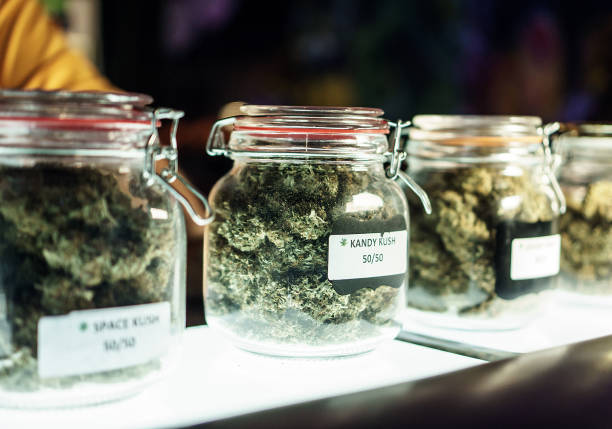
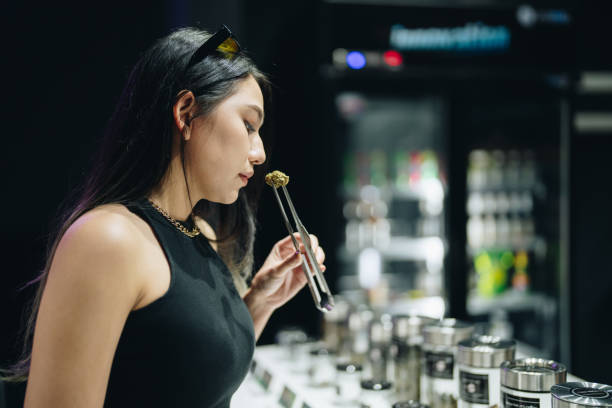
- Smell: A strong, pleasant aroma often signifies freshness.
- Look: Trichomes (the sticky crystals) should be visible; avoid dull or brown-looking buds.
- Touch: Buds should feel slightly sticky but not too dry or brittle.
Checklist for Verifying Cannabis Product Quality
| Verification Step | What to Check For | Importance Level |
| Lab Testing | Cannabinoid potency; absence of contaminants | High |
| Packaging | Clear labeling; tamper-evident seals | Medium |
| Physical Inspection | Appearance of trichomes; aromatic profile | High |
| Dosage Information | Accurate milligram counts in edibles/concentrates | High |
Avoiding Common Pitfalls
- Lack of lab test results available on request.
- Products that seem too dry or emit an unpleasant smell.
- Edibles without clear dosing instructions per serving size.
By educating yourself on verification techniques within a dispensary setting, you can confidently select high-quality cannabis tailored to your preferences while minimizing risks related to poorly processed goods.
How to Ensure Quality Cannabis Products at a Dispensary Dumbo
With the growing number of cannabis dispensaries and products available today, it has become increasingly important for consumers to prioritize quality over quantity. Ensuring the products you purchase meet stringent quality standards is not just a matter of getting your money’s worth; it’s also a critical step toward safeguarding your health and wellness. Below, we discuss why checking cannabis quality is essential and how it benefits both new and experienced users.
Discover Safe Products at a Marijuana Dispensary Dumbo
- Pesticides: Residues from agricultural chemicals used during cultivation.
- Heavy Metals: Lead or other metals absorbed from the soil during growth.
- Microbial Contaminants: Mold, mildew, or bacteria that may develop if storage conditions are suboptimal.
- Residual Solvents: Chemicals left behind from extraction processes in concentrates.
Consuming contaminated products could lead to respiratory issues, allergic reactions, or long-term health risks. To minimize this, choose dispensaries that test their products rigorously for these harmful substances.
How to Avoid Mislabeling and False Potency Claims at a Recreational Dispensary Dumbo, Brooklyn
Cannabis potency—primarily measured by the percentages of THC (tetrahydrocannabinol) and CBD (cannabidiol)—is a key factor in product selection. Mislabeled potency values can lead to disappointing experiences for consumers looking for specific effects or precise dosing.
- Ensure the product is tested by a third-party lab.
- Check THC/CBD percentages to confirm they match what’s advertised.
- Verify that lab results correspond to specific batches for additional transparency.
- Reputable dispensaries often partner only with trusted cultivators and brands.
Know What You’re Consuming
- Edibles should list all ingredients clearly, just like any food product.
- Avoid artificial additives or preservatives where possible.
- Terpenes contribute significantly to aroma, flavor, and potential therapeutic effects.
- Look for products that highlight terpene data alongside cannabinoids.
| Product Type | Key Quality Indicators |
| Flower | Aroma (fresh vs. musty), appearance (color/trichomes), moisture content |
| Concentrates | Clarity/consistency (e.g., shatter should be transparent), residual solvent tests |
| Edibles | Proper dosing information per serving size; clear list of all ingredients |
| Vape Cartridges | No cutting agents like vitamin E acetate; verified cannabinoid/terpene levels; proper packaging seal |
Legal Requirements Add Another Layer of Safety
In regulated markets, rigorous testing protocols are mandatory before any product reaches the shelves. This means legal dispensaries help create an added layer of protection compared to black-market sources where no such requirements exist.
By shopping at licensed dispensaries that adhere to local regulations, you ensure access to safer cannabis products while supporting the legitimacy of this evolving industry.
Prioritizing quality when purchasing cannabis isn’t just about enjoying better effects—it’s about protecting your health while making informed decisions as a consumer in a rapidly expanding market.
Understanding the Lab Report: Ensuring Safe and Reliable Cannabis Products
Lab reports are one of the most critical tools for ensuring that the cannabis products you purchase from a dispensary are safe, reliable, and of high quality. These reports, often referred to as Certificates of Analysis (COAs), provide a detailed breakdown of what’s inside your cannabis product. Properly understanding these documents allows consumers to make informed decisions about their purchases.
Key Components of a Cannabis Lab Report
- Cannabinoid Profile
This section outlines the concentrations of cannabinoids in the product. Key cannabinoids include: - THC (Tetrahydrocannabinol): Responsible for the psychoactive effects.
- CBD (Cannabidiol): Known for its therapeutic properties without intoxication.
- CBG, CBN, and Other Minor Cannabinoids: These may have specialized effects or enhance the entourage effect.
- Terpene Analysis
Terpenes contribute to the aroma and flavor of cannabis while potentially influencing its effects on your body. Common terpenes include limonene (citrus notes), myrcene (earthy tones), and pinene (pine-like scents). - Contaminant Testing
Safety is paramount when it comes to cannabis products. Reputable lab reports include testing for contaminants such as: - Pesticides: Used during plant cultivation but must remain within legal limits.
- Heavy Metals: Elements like lead or mercury that may be absorbed from soil.
- Microbial Contaminants: Includes mold, yeast, or bacteria that could compromise health.
- Residual Solvents (For Concentrates)
For cannabis extracts like vape oils or shatter, it’s important that residual solvents used during production—such as butane or ethanol—are detected at acceptable levels.
Why Lab Reports Matter
- Safety Assurance: Ensures no harmful substances are present in levels that could pose health risks.
- Potency Verification: Confirms cannabinoid levels align with advertised potency so you know what you’re consuming.
- Regulatory Compliance: Verifies that products meet state or regional standards for sale.
How to Access Lab Reports
Most professional dispensaries make lab reports readily available for customers in one or more formats: – QR codes on packaging. – Physical copies upon request at dispensaries. – Online links provided on company websites.
If a dispensary cannot produce lab results or dismisses your request for this information, it may be a red flag signaling questionable practices or poor-quality products.
| Section | What It Tells You |
| Cannabinoid Profile | Potency and THC/CBD balance |
| Terpene Analysis | Flavor profile and potential therapeutic effects |
| Pesticides/Contaminants | Safety and adherence to clean cultivation practices |
| Residual Solvents | Ensures extracts are free from harmful production chemicals |
Tips for Evaluating a Lab Report
To ensure you’re interpreting lab results accurately: 1. Look for third-party verification – Independent labs reduce conflict-of-interest concerns. 2. Check dates – Outdated reports might not reflect current batch quality. 3. Compare data with packaging labels – Any mismatch between advertised claims and test results should raise concerns.
Lab reports empower consumers by providing clarity about what they’re buying while ensuring health-conscious choices can be made confidently in this growing market segment.
A Complete Guide to Assessing Quality at a Cannabis Dispensary Dumbo, NY
When purchasing cannabis flower from a dispensary, using your senses is one of the most effective ways to assess the quality of the product. While lab reports and certifications provide critical insights into its chemical makeup and safety, your senses—sight, smell, touch, and even sound—can help you make an informed decision about whether the product meets your expectations. Below is a detailed guide on how to evaluate cannabis flower through sensory inspection.

Visual Inspection: What to Look For
- Color: High-quality cannabis typically exhibits vibrant green hues with pops of purple, orange, or gold depending on the strain. Avoid dull or brownish tones that could indicate age or improper storage.
- Trichomes: Check for tiny crystal-like structures (trichomes) on the surface of the bud. Dense coverage of trichomes suggests potency and freshness.
- Well-trimmed buds indicate care during harvesting and processing.
- Avoid excessively leafy buds unless you’re looking for “sugar leaves,” which may contain some cannabinoids.
| Visual Trait | High-Quality Indicators | Low-Quality Indicators |
| Color | Vibrant green; colorful highlights | Dull brown or yellow |
| Trichome Presence | Thick trichome frost | Sparse or no visible trichomes |
| Trim Quality | Clean trim without excess leaves | Ragged edges; too many leaves |
Smell: The Aroma Test
- Freshness: Fresh buds emit a strong odor that matches their strain’s profile (e.g., citrusy, earthy, or piney). Stale buds may smell faint or like hay.
- Complexity: High-quality cannabis often features layered aromas rather than just one dominant scent.
- Be cautious if you detect unpleasant odors like mold, mildew, or chemicals.
Touch: Feeling for Quality
- Stickiness: Sticky resin indicates rich cannabinoid content but shouldn’t feel overly wet.
- Buds should be dense yet slightly springy when gently squeezed.
- Overly dry buds will crumble easily while overly moist ones might feel spongy.
Sound: Is It Properly Cured?
If possible, listen closely when breaking apart a small nugget: – A well-cured flower should produce a slight crackling sound as stems snap cleanly but without crumbling into dust.
Combining Sensory Assessment with Lab Reports
While sensory evaluation provides useful insights into the physical attributes of cannabis, it should always complement—not replace—lab testing data provided by professional dispensaries. Lab results confirm cannabinoid levels (e.g., THC/CBD content), terpene profiles, pesticide screenings, and microbial safety.
By combining sensory evaluation techniques with verified test results from reputable dispensaries, consumers can confidently select high-quality cannabis flowers tailored to their needs and preferences.
How to Check Edibles for Clear Dosing, Ingredients, and Freshness
When purchasing edibles from a professional dispensary, ensuring their quality is crucial for both safety and effectiveness. The process involves evaluating factors such as dosing accuracy, ingredient transparency, and freshness. By following these steps, you can make informed decisions when selecting cannabis-infused edibles.
Importance of Clear Dosing
- Check the THC/CBD Content: Look for clear labeling on the package that specifies the amount of THC and CBD per serving in milligrams (mg).
- Serving Sizes: Ensure that serving sizes are clearly defined. Many products are segmented into individual portions (e.g., gummies or chocolates), making it easier to consume the intended dose without guesswork.
- Compliance Standards: Confirm whether the product adheres to local regulations regarding potency limits per serving or per package, which vary by state or country.
| Key Element | What to Look For |
| THC/CBD Content | Clearly labeled dosage in mg per serving |
| Serving Size Clarity | Portioned servings for regulated consumption |
| Regulatory Compliance | Packaging meets local cannabis law standards |
Reviewing Ingredients for Transparency
Understanding what goes into your edible is just as critical as knowing its potency. Quality ingredients not only contribute to taste but also help avoid potential allergens or dietary conflicts.
- Natural Ingredients: Opt for products made with natural flavors, colors, and preservatives instead of artificial additives.
- Allergen Warnings: Check if the edible contains common allergens like nuts, soy, gluten, or dairy. This should be clearly listed on the package.
- Sugar Content & Caloric Information: Pay attention to sugar levels and caloric content if you’re monitoring your diet.
- Extraction Methods Used: High-quality edibles often use clean extraction methods such as CO2 extraction for cannabis oils. Avoid products with harsh solvents like butane or propane.
Assessing Freshness
The freshness of an edible plays a significant role in its efficacy and flavor profile. Consuming stale edibles may result in degraded cannabinoids and an unpleasant taste.
- Expiration Date: Always check the expiration date printed on the packaging.
- Storage Recommendations: Proper storage instructions ensure longevity and maintain potency (e.g., refrigeration requirements).
- Look for tamper-proof seals.
- Ensure there is no damage or signs of compromise to the packaging.
- Odor & Appearance: If allowed by dispensary policies before purchase:
- Verify there’s no unusual smell indicating spoilage.
- Inspect physical appearance such as discoloration or changes in texture.
Tips for Selecting High-Quality Edibles
- Choose brands with a strong reputation and positive reviews within your community.
- Inquire about third-party lab testing results; reputable dispensaries will have this information readily available.
- Consult budtenders if you have questions about specific product types or recommendations based on your needs.
By prioritizing these factors—dosing accuracy, transparent ingredient lists, and freshness—you can enjoy safe and effective edible experiences while minimizing risks associated with low-quality products purchased from unreliable sources.
The Science of Cannabis: How It Interacts with Your Brain and Body
Cannabis is a fascinating plant with a complex relationship to the human body and brain. To fully appreciate its effects, it’s essential to understand how its active compounds interact with the endocannabinoid system (ECS), as well as the potential therapeutic benefits and risks involved.
The Endocannabinoid System (ECS)
- Naturally occurring cannabinoids produced by the body.
- Examples include anandamide (AEA) and 2-arachidonoylglycerol (2-AG).
- CB1 receptors: Primarily located in the brain and central nervous system.
- CB2 receptors: Found mostly in peripheral tissues and immune cells.
- Responsible for synthesizing and breaking down endocannabinoids after they’ve served their function.
Cannabis interacts with the ECS through its phytocannabinoids, primarily tetrahydrocannabinol (THC) and cannabidiol (CBD).
THC (Tetrahydrocannabinol)
- THC is the psychoactive compound responsible for cannabis’ characteristic “high.”
- It binds primarily to CB1 receptors in the brain, activating responses such as relaxation or euphoria but can also cause temporary impairments in memory or coordination.
- Excessive THC consumption may lead to anxiety or paranoia in some individuals.
CBD (Cannabidiol)
- Unlike THC, CBD does not produce intoxicating effects. Instead, it can modulate how THC interacts with CB1 receptors, often mitigating its psychoactive side effects.
- Reducing inflammation.
- Managing anxiety.
- Alleviating seizures (e.g., FDA-approved Epidiolex).
| Compound | Effect | Primary Interaction |
| THC | Psychoactive; euphoria; relaxation | Binds to CB1 receptors |
| CBD | Anti-inflammatory; anti-anxiety; seizure management | Modulates ECS activity |
Short-Term Effects on the Brain
- Hippocampus: Associated with memory processing; high doses of THC may temporarily impair short-term memory.
- Basal Ganglia & Cerebellum: Regulates motor control; cannabis can alter reaction times or coordination.
- Amygdala: Processes emotions; THC may heighten feelings of stress or relaxation depending on dosage.
Long-Term Interaction With The Body
- Repeated exposure to THC can desensitize cannabinoid receptors over time.
- Studies suggest long-term use may help manage chronic pain or neurological disorders when dosed appropriately.
- Persistent high-dose usage has been associated with dependency and cognitive impairments for some individuals.
Terpenes’ Role in Brain Response
- Limonene: Often promotes a sense of upliftment or energy.
- Myrcene: Known for relaxing properties that complement sedative strains.
- Linalool: Associated with calming effects on anxiety or stress.
This interplay between terpenes and cannabinoids highlights why different strains can produce highly individualized reactions.
Understanding how cannabis interacts with your body depends not only on dosage but also on individual physiology—factors like metabolism and tolerance levels play key roles. By studying these interactions carefully, consumers can make informed decisions that align with their health goals while minimizing potential risks associated with improper use.
- How to Identify a Legal Dispensary Dumbo Residents Can Trust
- The 2026 Consumer’s Guide to Quality: How to Verify Products at a Weed Dispensary Dumbo
- Your Guide to Finding the Best Cannabis Dispensary Dumbo, NY
- Exploring Top Cultivation Practices and Quality Control at a Weed Dispensary Dumbo
- Top 5 Tips to Improve Your Weed Dispensary Dumbo Customer Experience
- The 2026 Consumer’s Guide to Quality and How to Verify Products at Your Local Marijuana Dispensary Dumbo
- Understanding the Importance of Regulating Illegal and Unlicensed Cannabis Dispensaries in Dispensary Dumbo